Making Physiotherapy Exercises Fun
During my VR minor, I partnered up with Physiotherapy professionals to create "Motion: Virtual Physiotherapy". Motion is designed to make physiotherapy exercises fun and measurable for folks with lower back pain.
Exercise Bar
I designed an exercise bar which supports multiple types of physiotherapy exercises in VR. The bar communicates which movement to perform and how long the player should perform it.
Before being allowed to start any exercises, they must first measure their "head sway". The measurement is used to decide the desired difficulty of the exercises for the day, as head sway varies a lot from day to day. The chosen difficulty changes the amount of reps and sets of an exercise, and is simply a suggestion. If the patient is at all times allowed to change the difficulty for an exercise, but the evaluation remains mandatory.
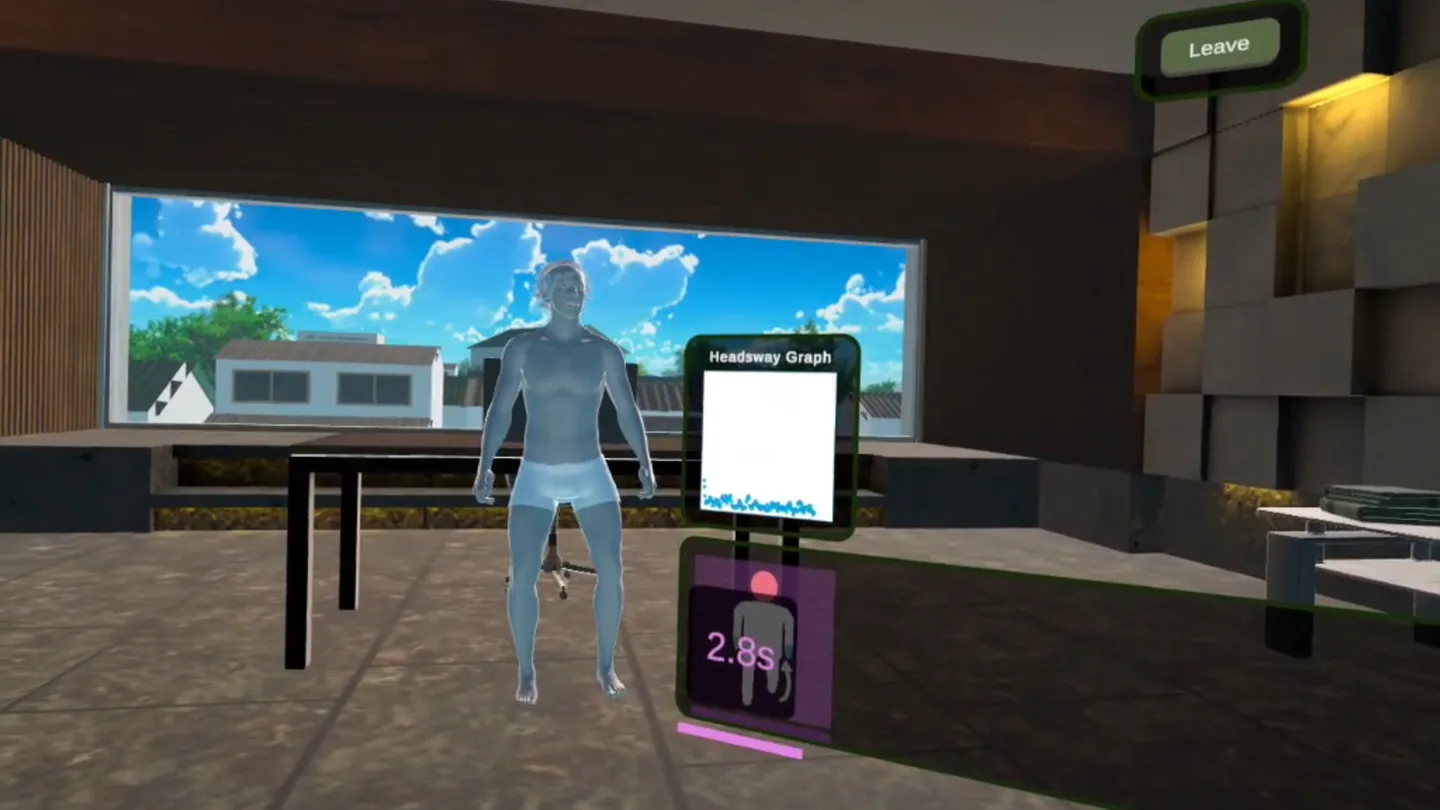
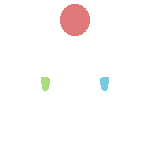
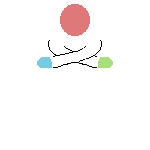
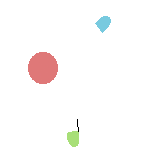
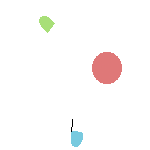
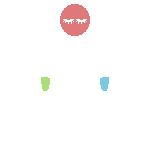
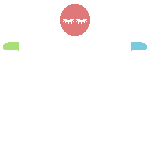
I designed and added pulsing affordance balls which indicate the desired movements for the exercise. The green ball is for the left controller, blue for the right, and pink for their head. These colours are consistent with the colours used for the controllers and the movement illustrations used throughout the game.
To gamify it, I added feedback such as "Great", "Good" and "Perfect". Each having a different colour, VFX and SFX.
Minigames
I explored how traditional game mechanics could be created to make the exercises more fun while still encouraging the intended physical movements.
Archery Minigame
I designed an archery minigame where the player's left controller represents a bow whose string can be pulled by grabbing it with the right controller. Pulling the string farther increases the shot's strength, encouraging the player to maintain a straight posture while performing the movement.
Looking back, I should have added a left-handed setting which would allow the players to swap their bow and string-hand controls.
Sword Minigame
I designed a sword minigame where the player must stay near the center as much as possible while reaching for targets which fall to the ground.
Environments
I included the ability to switch maps, including a passthrough environment that uses mixed reality to keep the player's real surroundings visible while placing the exercise interface and interactive elements in world space. This provides an alternative for folk who experience motion sickness.
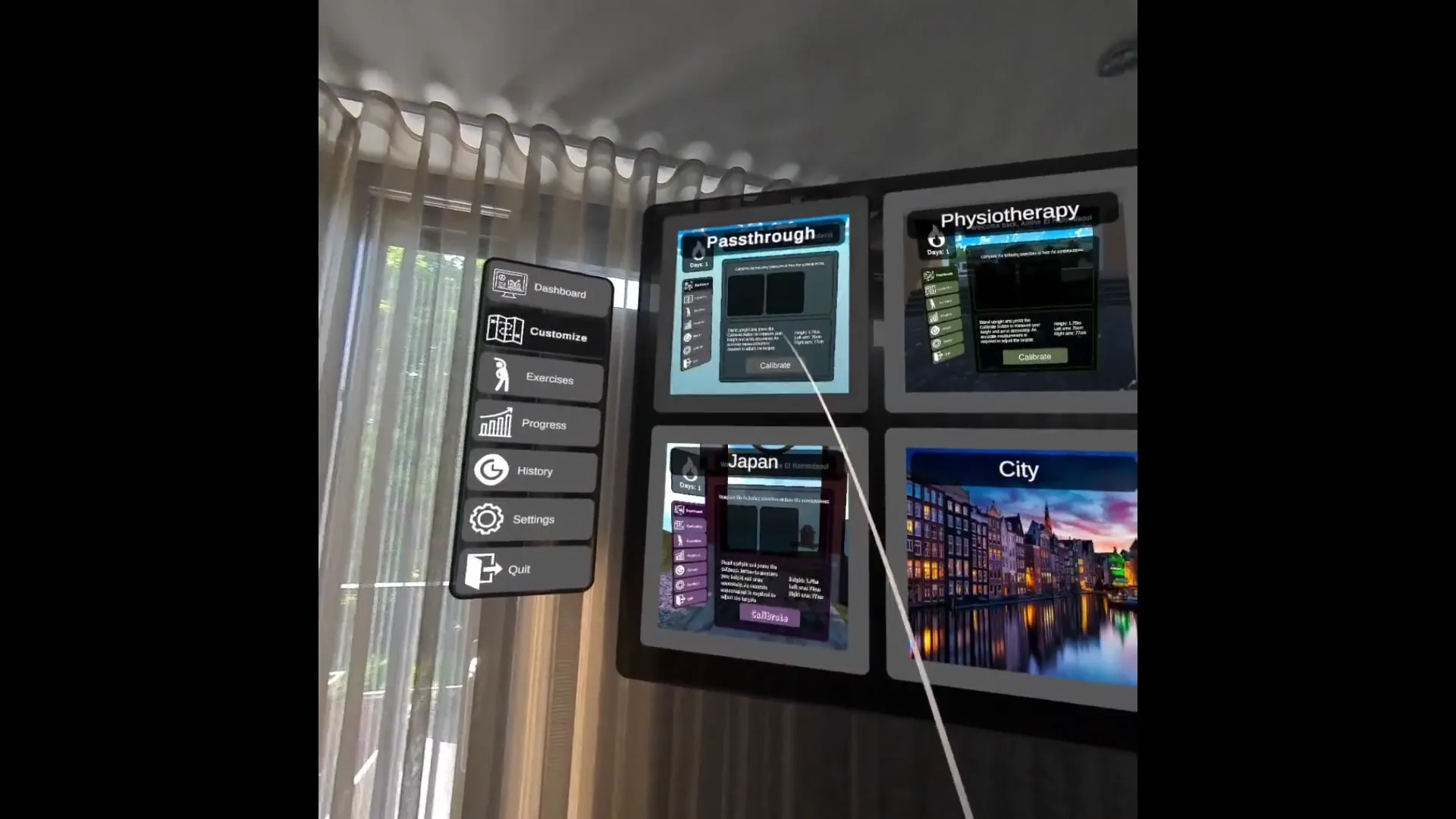
Passthrough
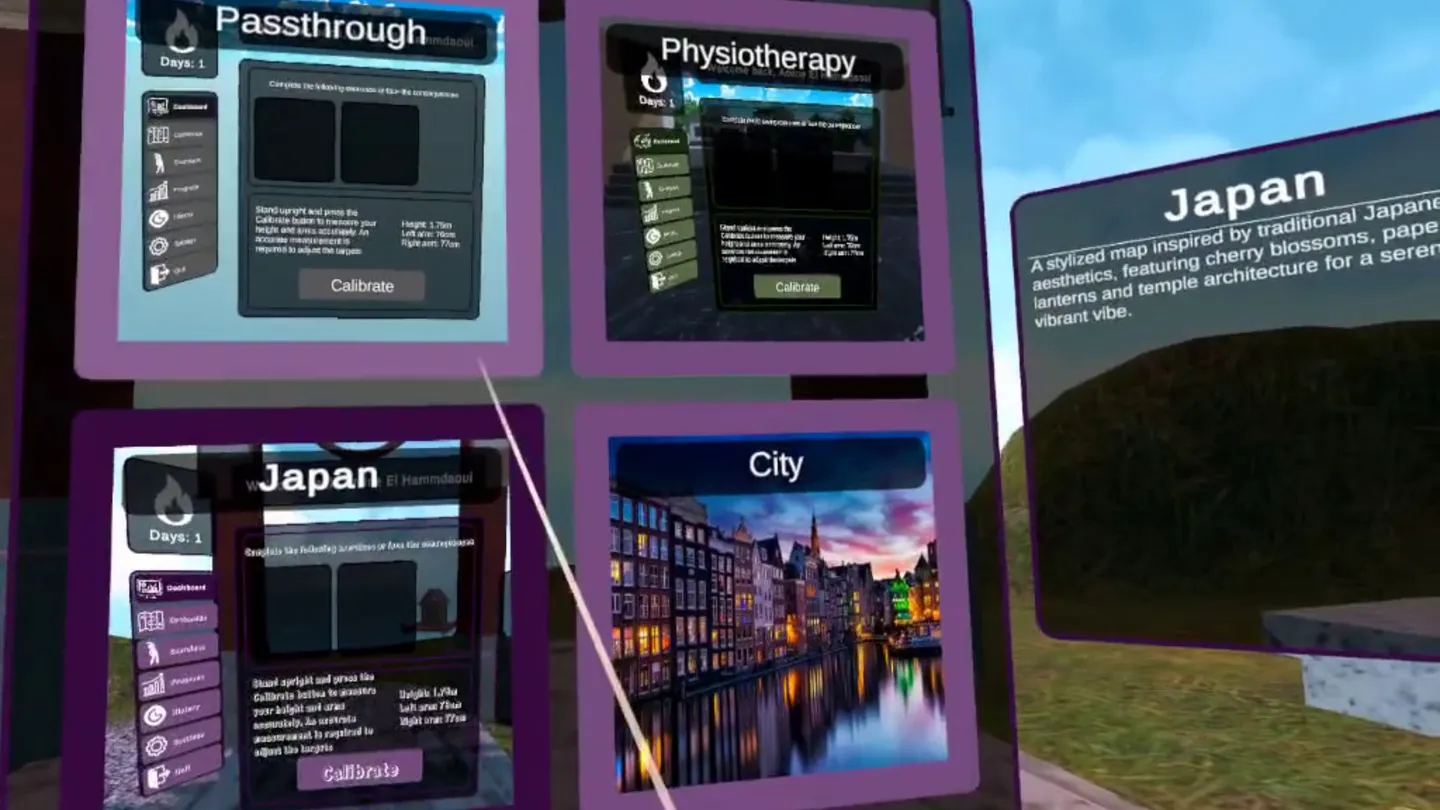
Environments UI
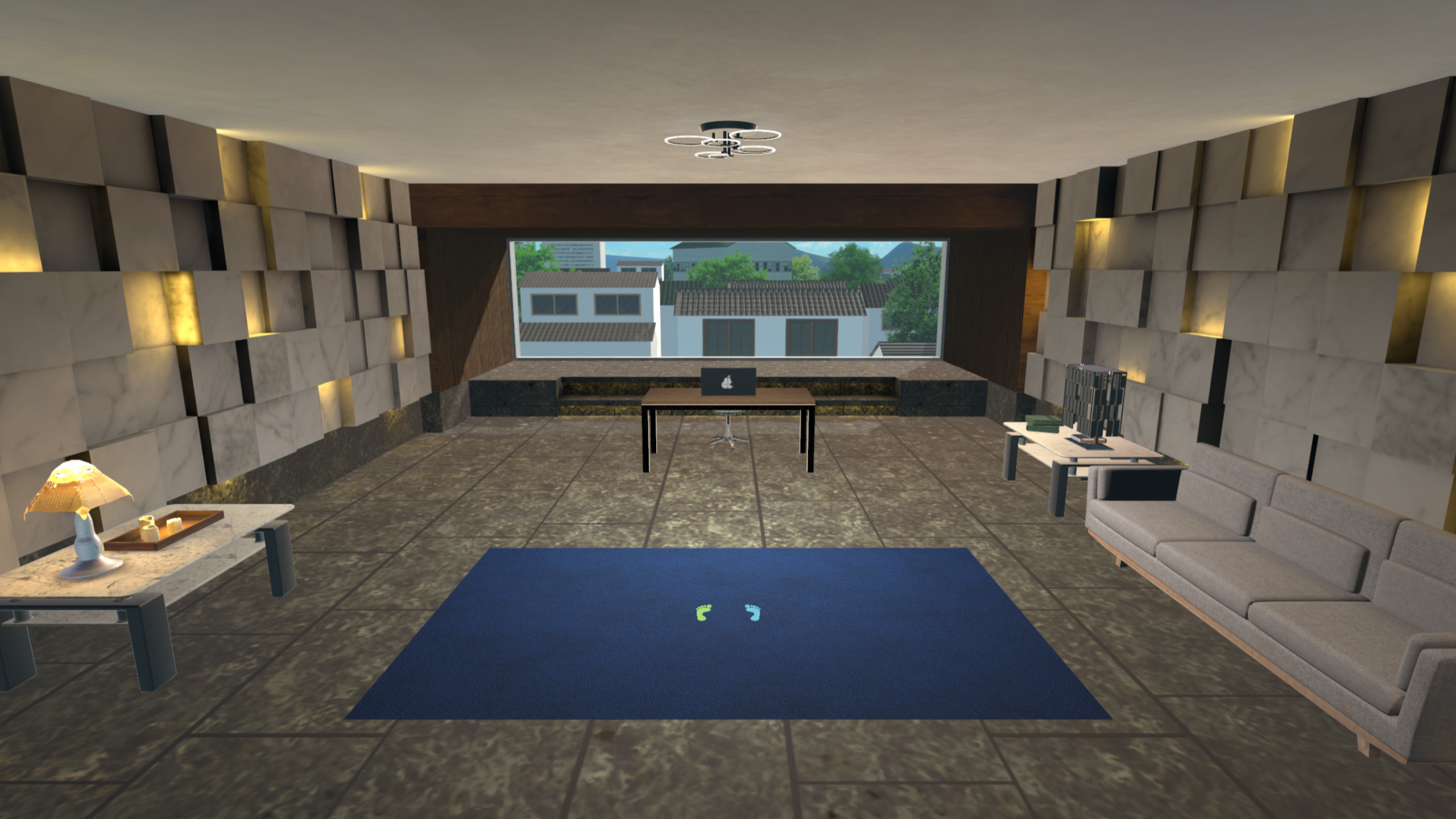
I wanted the main map to look and feel like a calm physiotherapy environment. I modeled the base room before a more talented 3D artist took over:
I suspected the passthrough environment to result in better exercise performance. So I decided that to be my topic for my research assignment:
A Comparative Study of Passthrough and Virtual Environments in VR-Based Physiotherapy
Streaks & Leaderboard
Aside from colours, VFX, SFX, maps and minigames, I also focused on a streak system with the highest streaks available to see on a global leaderboard.
We didn't implement the same for exercise scores, as that would feel competitive in an unhealthy way.
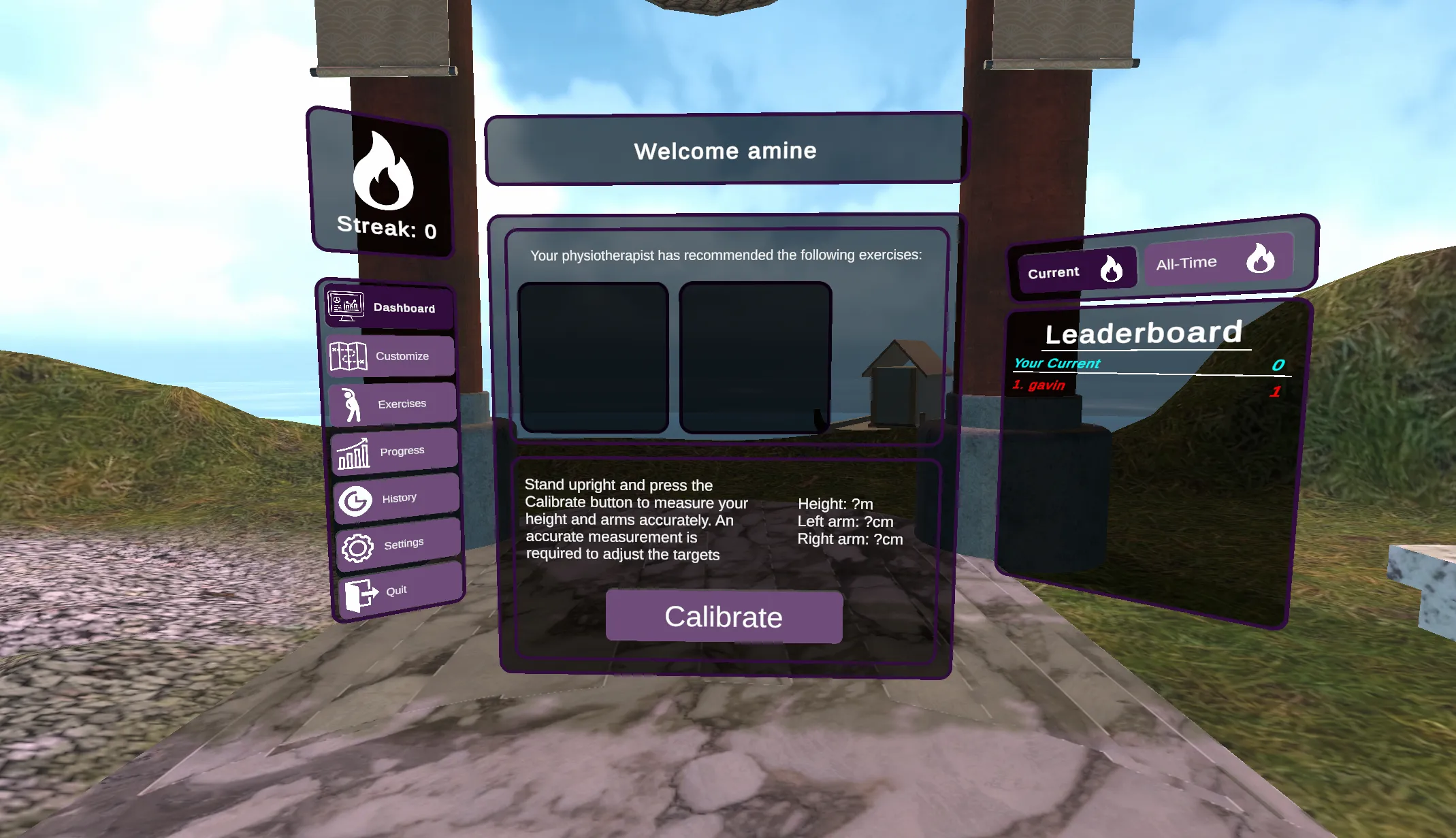
Looking back, the UI would look more logical if the streak and leaderboard were put together considering their logic is connected. Also, your streak should probably start at "1" instead of "0" to give a fake feeling of jumpstarting your progression.
My Art
Pixelart




Models
Download Motion on the Meta Quest